

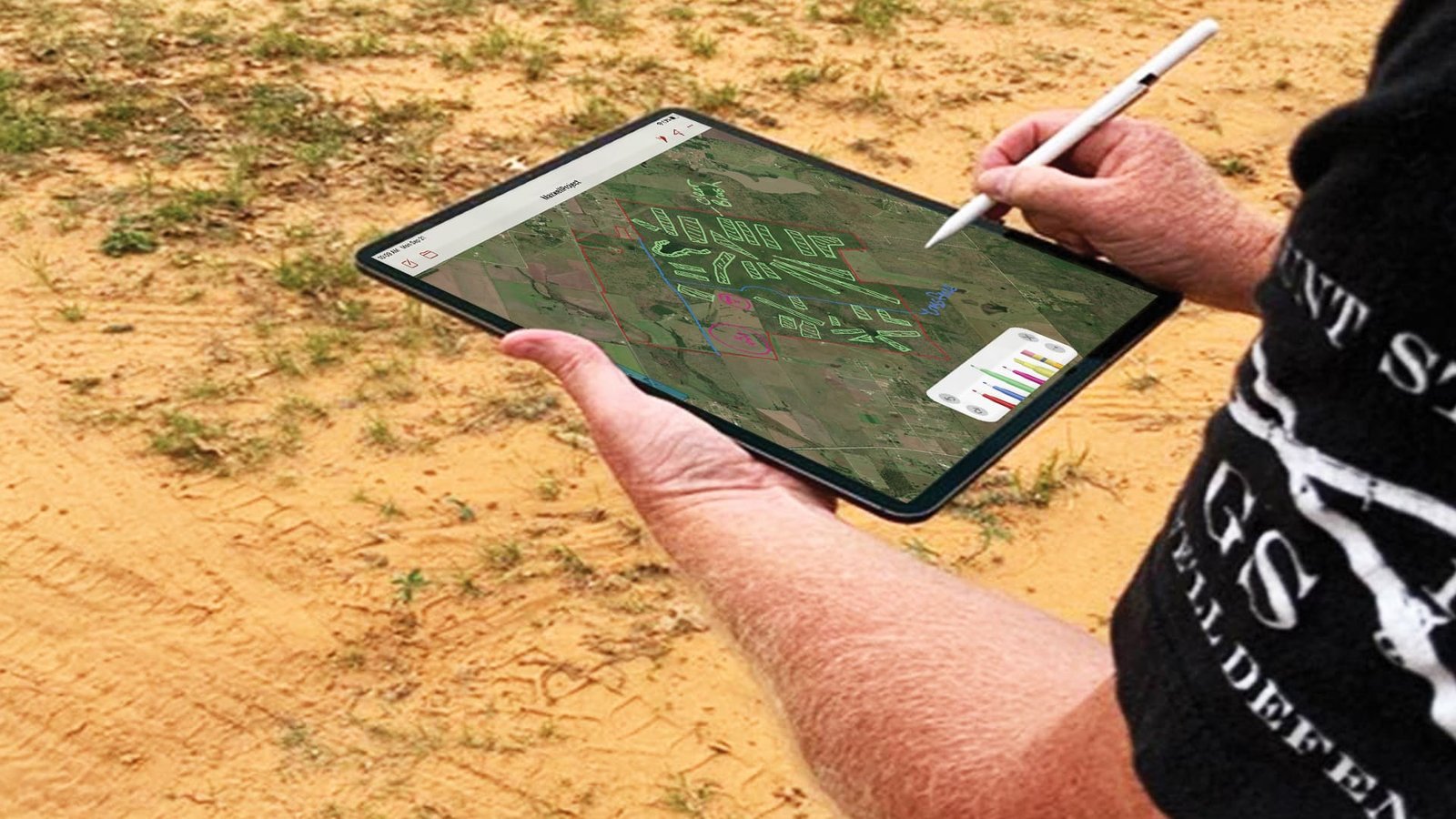
Most people walk past dozens of plant species, several kinds of birds, and countless insects every day without noticing any of them. It is not a lack of interest. Modern routines simply pull attention elsewhere, toward screens, schedules, and errands. Yet the places where we live, work, and travel are full of life worth knowing. Local environmental awareness, the habit of noticing and understanding what lives nearby, is one of the simplest ways people can reconnect with nature and support conservation. EcoPlot, an app from MillPoint, is designed to help with exactly that, turning everyday curiosity into observations that build knowledge over time.
Noticing What We Walk Past Every Day
Ask most people to name ten plants growing within a short walk of their home, and many will struggle beyond a few obvious ones. The same goes for birds, apart from a familiar handful. This is sometimes called plant blindness, the tendency to treat vegetation as background scenery rather than a collection of distinct living things.
Breaking that habit does not require a degree in biology. It starts with paying attention, asking what something is, and remembering the answer. Each name learned makes the surroundings a little more familiar and a little more interesting.
Why Local Awareness Matters for Conservation
Large conservation efforts often focus on rainforests, coral reefs, and famous endangered species. These matter, but much of the world’s biodiversity lives in ordinary places: roadside verges, farm hedgerows, city parks, school grounds, and backyards. The people best placed to notice changes in those places are the ones who see them every day.
When residents know which wildflowers usually bloom along a path, they notice when an invasive plant starts taking over. When farmers know which birds nest in their hedgerows, they can see whether those birds are returning each spring. Awareness creates the first line of early warning for environmental change.
Learning Names Changes How You See
There is a reason naturalists emphasize identification. Once you know a plant’s name, you start seeing it everywhere. You notice where it grows, when it flowers, and what insects visit it. A name turns a vague impression into a specific thing you can follow over time.
EcoPlot supports this through species identification for plants and wildlife, along with bird and wildlife sound identification. A walk that once produced only a general sense of “birds singing” can now produce the names of several species. That small shift often sparks a lasting interest, because people begin wondering why certain birds appear in some places and not others.
The app also provides information about native and invasive species. Learning the difference is one of the most important steps in local awareness, because it helps people understand which plants support local wildlife and which ones crowd it out.
Letting the Seasons Do the Teaching
One of the best ways to build awareness is to watch the same place change through a full year. A patch of rough grass that looks dull in winter may fill with wildflowers by early summer, buzz with insects in July, and turn into a feeding ground for seed-eating birds in autumn. Each season reveals residents that were invisible a few months earlier.
Following these changes teaches lessons that no single visit can. People begin to understand why mowing at the wrong time can wipe out a season’s flowers, why leaving seed heads standing helps birds through winter, and why bare soil in spring often fills with the first plant that arrives, invasive or not.
Recording observations through the year makes these patterns easier to see. Looking back at last spring’s notes while standing in the same spot this year is one of the most satisfying parts of paying attention to nature. It also builds the kind of patience that conservation work needs, since many improvements take several years to show.
Turning Curiosity Into Observations
Awareness grows faster when observations are recorded. A sighting noted with a date and location becomes something you can return to and compare. EcoPlot allows users to map land on satellite imagery, select areas, and attach plant and wildlife observations and field journal entries to them.
For a landowner, this might mean tracking how a meadow changes through the year. For a gardener, it could mean noting which flowers attract the most bees. Anyone curious to track pollinators and native species on farmland or in a garden can start with a few simple observations each week and watch patterns appear over a season.
People who want to explore these features themselves can try EcoPlot on their own land or a favorite local green space and see how quickly a list of species grows.
Sharing What You Find
Awareness is more powerful when it is shared. EcoPlot supports community collaboration and environmental observations, so users can contribute what they see and learn from what others record. A neighbor’s sighting of an unusual bird, or a note about an invasive plant spreading along a stream, helps everyone in the area pay closer attention.
This kind of shared knowledge has value beyond personal interest. Community records can support ecological monitoring for parks and public spaces, giving managers a clearer picture of what lives in the areas they look after. Volunteers who already walk these spaces regularly are well placed to notice changes early.
From Backyard Curiosity to Bigger Landscapes
Many people who start by identifying birds in their garden end up caring about much larger areas. They join local conservation groups, volunteer for habitat restoration, or change how they manage their own land. For farmers and ranchers, awareness often translates into practical changes like leaving field margins uncut, planting native hedgerows, or reducing chemical use near watercourses.
For landowners managing larger properties, a conservation land management app can help connect those personal observations with broader stewardship decisions. Records of species, habitat, and soil conditions all feed into a clearer understanding of how to look after the land, and you can learn more here about how mapped observations support those decisions over time.
Small Habits That Build Awareness
Becoming more aware of your local environment does not require major changes. A few small habits are enough to start:
- Take the same short walk once a week and note one new plant or animal each time.
- Listen for birds for five minutes in the early morning.
- Photograph flowers through the seasons and look up their names.
- Learn to recognize two or three common invasive plants in your area.
- Share interesting sightings with friends, family, or a local nature group.
Over months, these habits build a surprisingly detailed picture of the places you see every day. They also tend to change how people feel about those places. A park, a lane, or a field becomes somewhere with familiar residents and seasonal events rather than just a route from one place to another.
Conclusion
Local environmental awareness begins with noticing and grows through learning names, recording observations, and sharing them with others. It helps people feel more connected to where they live and gives conservation efforts the local knowledge they depend on. By making species identification, mapping, journaling, and community observations easy to access, EcoPlot gives people a practical way to turn everyday curiosity into a lasting understanding of the environment around them.
Leave a Reply