

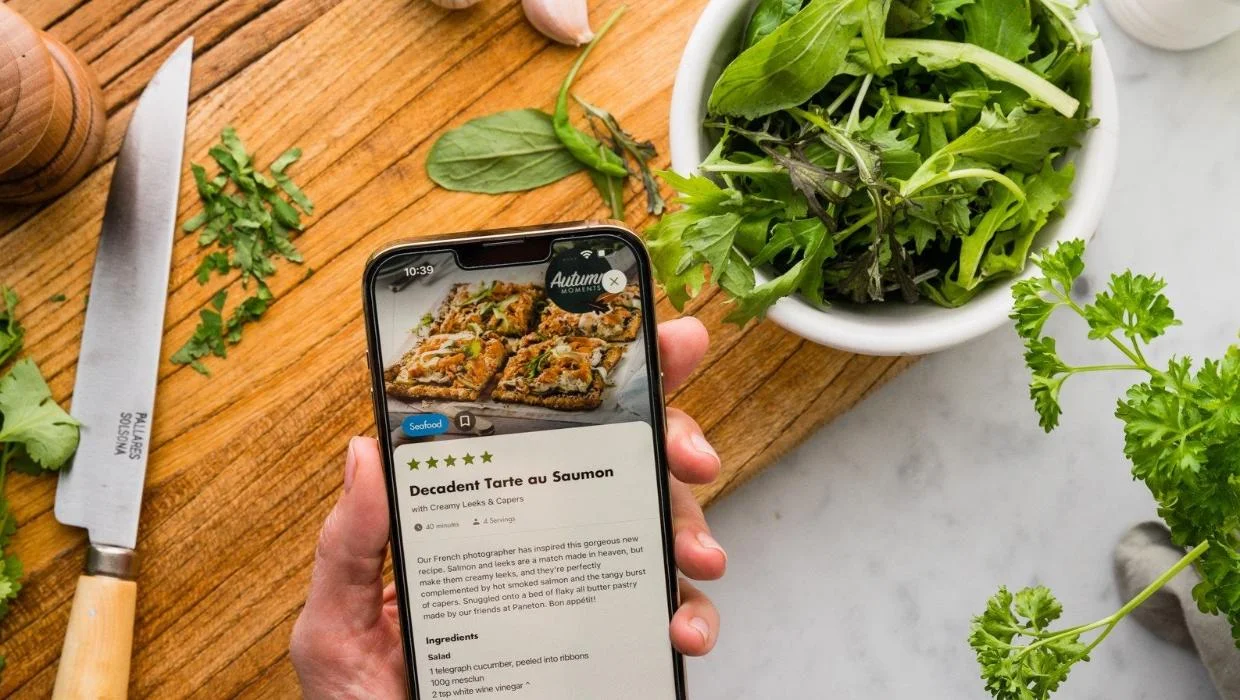
Health apps are everywhere. From calorie counters to fitness trackers and sleep monitors, Android users have no shortage of options. But in 2026, innovation in health technology is no longer just about tracking steps or counting macros. It’s about personalization.
That’s where Symptom To Spoon – Personalized Nutrition stands out.
Instead of focusing purely on calories or weight goals, this Android app takes a different approach: it connects how you feel with what you eat. By combining symptom tracking with AI-powered meal recommendations, Symptom To Spoon represents a new wave of intelligent health technology.
Let’s explore why it’s gaining attention as one of the most innovative health apps on Android this year.
A Shift From Generic Dieting to Personalized Nutrition
Most nutrition apps follow a similar formula:
-
Log calories
-
Track macros
-
Monitor weight
-
Set fitness goals
While these features can be useful, they often ignore a key question:
How does your body actually respond to food?
Two people can eat the same meal and experience completely different results. One may feel energized, while another feels bloated or sluggish. Symptom To Spoon is built around this exact insight.
Rather than pushing a one-size-fits-all diet plan, the app allows users to log symptoms such as:
-
Fatigue
-
Bloating
-
Headaches
-
Digestive discomfort
-
Low energy
It then uses AI to suggest meals that may better support those specific concerns.
This symptom-driven approach is what makes it different from traditional meal planners.
AI That Feels Practical, Not Overcomplicated
Artificial intelligence is a buzzword in nearly every industry, but in many apps, it feels more like marketing than functionality. Symptom To Spoon applies AI in a way that feels practical and easy to use.
Here’s how it works:
-
Users enter how they’re feeling.
-
The app analyzes symptom patterns and dietary preferences.
-
AI-powered recommendations generate suitable meal suggestions.
-
Over time, users can review patterns between food and symptoms.
The goal isn’t to overwhelm users with complex data. Instead, it provides actionable guidance — what you could eat today to feel better tomorrow.
That simplicity is part of its innovation.
Designed for Modern Android Users
In 2026, Android users expect more than just functionality. They expect:
-
Clean design
-
Smooth performance
-
Smart personalization
-
Practical features
Symptom To Spoon delivers on these expectations.
The interface is intuitive, allowing users to quickly log symptoms and meals without navigating complicated dashboards. The app also supports:
-
Allergy filtering
-
Vegan, gluten-free, and dairy-free options
-
Pantry-based recipe suggestions
-
Weekly meal planning (Pro features)
-
Grocery list generation
For busy professionals, students, and health-conscious users, convenience matters as much as accuracy.
Beyond Calories: A Smarter Health Perspective
What makes Symptom To Spoon particularly innovative is its shift away from calorie obsession.
Traditional diet apps often encourage restriction. This app encourages awareness.
Instead of asking:
“How many calories did you eat?”
It asks:
“How did that meal make you feel?”
That subtle change in focus aligns with a broader movement toward preventive wellness and mindful eating. Many Android users today are less concerned about crash dieting and more interested in sustainable health improvements.
Symptom To Spoon fits naturally into that trend.
Part of the Growing Health Tech Movement
Health technology in 2026 is moving toward:
-
Preventive care
-
Daily wellness tracking
-
AI-assisted decision-making
-
Personalized lifestyle tools
Symptom To Spoon reflects all four.
It doesn’t position itself as a medical diagnostic tool, nor does it claim to replace professional advice. Instead, it acts as a daily companion — helping users make more informed food choices based on their body’s signals.
As wearable tech tracks heart rate and sleep, apps like this are filling another gap: food and symptom correlation.
Who Is This App Best For?
Symptom To Spoon may be especially useful for:
-
People experiencing recurring digestive discomfort
-
Individuals exploring anti-inflammatory eating
-
Those trying to improve daily energy levels
-
Health-conscious Android users curious about AI wellness tools
-
Anyone tired of generic diet plans
Because it focuses on personalization, it adapts to different dietary preferences rather than forcing strict templates.
Innovation Without Intimidation
One of the reasons many health apps fail is complexity. Too many metrics, too many charts, too much friction.
Symptom To Spoon avoids that trap.
Its innovation lies not just in AI technology but in usability. Logging symptoms takes seconds. Meal suggestions are clear and actionable. Over time, patterns emerge naturally.
That balance between intelligence and simplicity is what makes the app feel modern rather than overwhelming.
The Bigger Picture: Where Health Apps Are Headed
If 2020–2024 was about fitness tracking and calorie counting, 2026 is about personalization.
Android users are increasingly looking for apps that adapt to them — not the other way around.
As health technology becomes more personalized, businesses are also exploring All in One Medical App solutions that bring multiple healthcare services together through a single platform. This approach can give users convenient access to different healthcare services while allowing businesses to adapt the platform to their specific market and operational requirements.
We’re seeing:
-
AI-powered financial apps
-
Smart productivity assistants
-
Personalized learning platforms
It was only a matter of time before nutrition apps evolved the same way.
Symptom To Spoon represents this next phase — moving from static diet logs to dynamic, symptom-driven recommendations.
Final Thoughts
Innovation in health apps doesn’t always mean flashy features or complex dashboards. Sometimes, it means asking a smarter question.
Symptom To Spoon asks:
“What does your body need today?”
By combining symptom tracking, AI-powered meal recommendations, and practical usability, it has positioned itself as one of the more forward-thinking health apps on Android in 2026.
For users interested in smarter nutrition without rigid dieting rules, it offers a refreshing alternative.
As AI continues to shape the future of wellness technology, apps that personalize daily habits — rather than standardize them — will likely lead the way.
Symptom To Spoon appears to be one of them.